
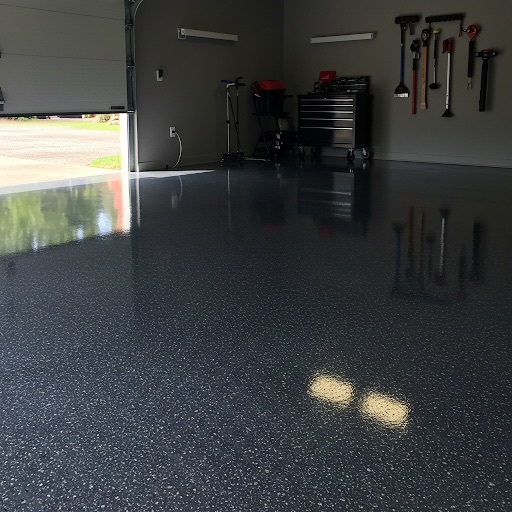
A dull, uninspiring floor can bring down the entire aesthetic of a space. Whether it’s a garage, basement, or even a living room, flooring should be as functional as it is visually appealing. Enter epoxy flooring—a high-performance solution that merges durability with sleek, customizable beauty.
Engineered to resist stains, impacts, and heavy foot traffic, epoxy flooring is a game-changer for both residential and commercial spaces. With a glass-like finish, a variety of design options, and a protective layer that withstands the test of time, epoxy flooring is redefining modern interiors and workspaces.
From industrial warehouses to stylish garage remodels, epoxy floors deliver unmatched strength and versatility. Discover why epoxy flooring might be the perfect investment for your home or business.
The Epoxy Flooring Process: How It Works
Transforming a standard concrete slab into a high-gloss, ultra-durable epoxy surface requires a meticulous installation process. The results, however, are well worth it. Here’s what goes into creating a flawless epoxy floor:
1. Surface Preparation: Laying the Foundation
A successful epoxy installation begins with proper surface preparation. The concrete base must be:
- Thoroughly Cleaned: Any dirt, grease, or previous coatings must be removed.
- Repaired: Cracks and imperfections are patched to ensure a smooth surface.
- Profiled: Using mechanical grinding or acid etching, the surface is roughened to allow the epoxy to bond securely.
Skipping this step can lead to premature peeling and adhesion issues.
2. Primer Application: Enhancing Adhesion
Before the main epoxy layers go down, a primer is applied to create a strong bond with the concrete. This layer:
- Seals the Surface: Preventing moisture-related issues like bubbling.
- Improves Adhesion: Ensuring the epoxy layers grip firmly.
- Extends Longevity: Strengthening the overall flooring system.
3. Epoxy Base Coat: The Foundation of Strength
The base coat consists of a high-performance epoxy resin mixed with hardeners. This self-leveling layer is responsible for the floor’s structural integrity. It:
- Creates a Thick, Protective Surface: Guarding against abrasions and impact.
- Provides a Uniform Finish: Eliminating inconsistencies.
- Acts as a Canvas for Design Elements: Such as flakes, metallic swirls, or color tints.
4. Decorative Elements: Customization Options
One of the biggest advantages of epoxy flooring is its versatility. Various customization techniques can be incorporated:
- Color Pigments and Dyes: Available in a limitless range of shades.
- Metallic Epoxy Effects: Creating a stunning, liquid-like appearance.
- Flake Epoxy Coatings: Adding texture, slip resistance, and visual depth.
5. Topcoat and Sealing: Maximum Protection
A final topcoat is applied to enhance durability and resistance to:
- Chemicals and Stains
- UV Rays (for outdoor applications)
- Scratches and Abrasions
This sealing layer locks everything in, ensuring the epoxy floor remains pristine for years to come.
The Benefits of Epoxy Flooring
Epoxy flooring isn’t just a trend—it’s a superior flooring solution for modern homes and businesses. Here’s why:
1. Exceptional Durability
Unlike traditional concrete or vinyl, epoxy floors are built to last. They can endure:
- Heavy machinery and vehicles.
- Chemical spills and stains.
- Continuous foot traffic without significant wear.
With proper maintenance, epoxy flooring can last 10 to 20 years, making it a cost-effective investment.
2. Low Maintenance & Easy Cleaning
Epoxy’s seamless, non-porous surface means:
- No grout lines where dirt can accumulate.
- Resistance to moisture, making spills easy to wipe up.
- Minimal maintenance, requiring only occasional mopping.
No waxing, buffing, or expensive cleaning products necessary!
3. Aesthetic Versatility
From sleek monochrome finishes to eye-catching metallic designs, epoxy flooring offers an array of design possibilities:
- Solid Colors: Clean and modern.
- Flake Finishes: Great for garages and commercial spaces.
- 3D and Metallic Swirls: Perfect for high-end showrooms and contemporary interiors.
4. Chemical & Stain Resistance
Epoxy flooring doesn’t absorb stains, making it ideal for:
- Garages and auto shops (resists oil and brake fluid).
- Basements and commercial kitchens (impervious to food spills).
- Industrial spaces (stands up to harsh chemicals).
5. Slip Resistance & Safety
While epoxy floors can have a naturally glossy finish, they can also be treated for increased traction:
- Textured additives improve grip.
- Flake epoxy finishes provide extra slip resistance.
- Matte topcoats reduce slickness in high-moisture areas.
Epoxy Flooring vs. Alternative Flooring Finishes
When considering flooring options, how does epoxy compare to polished concrete and vinyl?
| Feature | Epoxy Flooring | Polished Concrete | Vinyl Flooring |
| Aesthetic Appeal | Sleek, glossy, customizable finishes | Modern industrial look with matte or glossy finishes | Wide range of colors and patterns but less luxurious |
| Cost | $4–$12 per sq. ft. | $3–$8 per sq. ft. | $2–$6 per sq. ft. |
| Durability | Excellent (10–20 years) | Excellent (20+ years) | Moderate (5–10 years) |
| Maintenance | Low (resistant to stains and easy to clean) | Low (seamless surface, easy to maintain) | Low (prone to scratches but easy to clean) |
| Installation Time | Moderate (professional installation required) | Moderate (requires grinding and polishing) | Fast (DIY or professional installation available) |
| Eco-Friendliness | High (low-VOC options, sustainable) | High (natural materials, no chemicals) | Low (synthetic materials, can emit VOCs) |
| Slip Resistance | Can be treated for high slip resistance | Can be slippery without treatment | Low (may become slippery when wet) |
Frequently Asked Questions About Epoxy Flooring
Is epoxy flooring expensive?
Epoxy flooring is an affordable long-term investment, costing between $4 and $12 per square foot, depending on customization. While the upfront price may seem higher than vinyl, it lasts significantly longer, making it more cost-effective in the long run.
Is epoxy flooring a good idea?
Absolutely! Epoxy flooring provides:
✔️ Incredible durability
✔️ Aesthetic versatility
✔️ Low maintenance
✔️ Chemical and impact resistance
It’s an ideal choice for garages, basements, warehouses, and even stylish residential spaces.
What is an epoxy floor?
An epoxy floor is a seamless, resin-based coating applied over concrete to enhance durability, resistance, and aesthetics. The result is a hard-wearing, glossy, and stain-proof surface.
What are the disadvantages of epoxy flooring?
While epoxy is an outstanding choice, there are a few considerations:
- Slippery when wet (can be treated with anti-slip additives).
- Requires professional installation for best results.
- Curing time can take up to 72 hours before full use.
How long will epoxy floors last?
With proper maintenance, epoxy floors last 10 to 20 years—far longer than vinyl or laminate flooring.
Epoxy flooring is more than just a durable surface—it’s a high-performance solution that enhances the aesthetics and functionality of any space. Whether upgrading a garage, basement, showroom, or industrial workspace, epoxy floors offer longevity, low maintenance, and endless design possibilities.
Investing in epoxy flooring means investing in strength, style, and long-term value. If durability and elegance matter, epoxy is the flooring of the future.