
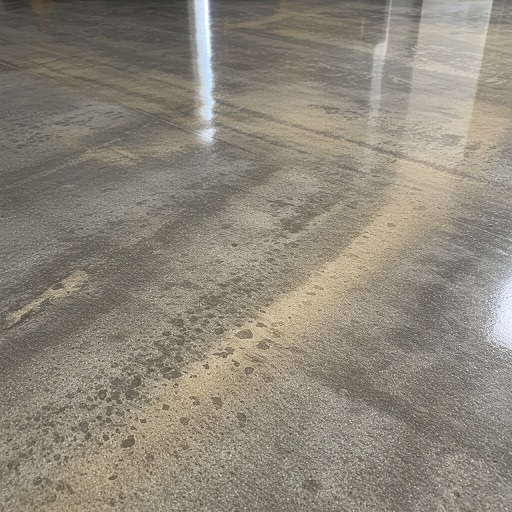
When you think of polished concrete, what comes to mind? Sleek, high-end retail spaces? Industrial-chic lofts? Warehouse floors that seem indestructible? The truth is, polished concrete has evolved from its utilitarian roots to become one of the most stylish, cost-effective, and durable flooring solutions available today. Whether you’re upgrading a home, office, or commercial space, concrete polishing delivers a perfect balance of aesthetics and function.
With unmatched longevity, minimal maintenance, and a glossy, reflective finish that enhances any environment, polished concrete is an investment that pays off over time. This guide explores everything you need to know about concrete polishing, from the step-by-step process to the costs, benefits, and how it stacks up against alternative flooring options.
The Concrete Polishing Process: How It Works
Concrete polishing is a meticulous process that transforms raw, porous slabs into smooth, radiant surfaces with exceptional durability. Unlike coatings or overlays, polished concrete strengthens the existing material without the need for additional layers. The process involves several critical steps:
1. Surface Preparation: Laying the Groundwork
Before the polishing begins, the concrete surface must be assessed and prepared. This includes:
- Cleaning: Removing dirt, debris, and any coatings, such as paint or adhesive residues.
- Crack and Hole Repair: Filling in imperfections to create a uniform surface.
- Leveling: Grinding down high spots to ensure even polishing.
Skipping this step can lead to an uneven finish, making imperfections more visible once the floor is polished.
2. Grinding: The First Stages of Transformation
Grinding is the most labor-intensive part of the process. Heavy-duty industrial grinders equipped with diamond-segmented abrasives are used to refine the surface. The grinding process includes:
- Coarse Grinding: Removes any inconsistencies, old coatings, and surface blemishes.
- Medium Grinding: Smooths out the surface, preparing it for the polishing phase.
This stage requires precision, as it determines the overall evenness and consistency of the final product.
3. Hardening and Densification: The Secret to Strength
One of the most critical steps in concrete polishing is densification. A liquid hardener (often a silicate-based solution) is applied to the surface, where it reacts with the concrete to:
- Strengthen the Floor: Making it more resistant to abrasions and wear.
- Seal Pores: Reducing moisture absorption and staining.
- Enhance Durability: Preventing dusting and surface breakdown over time.
This chemical reaction permanently hardens the concrete, giving it a stronger, longer-lasting finish.
4. Polishing: Bringing Out the Shine
After densification, the real magic begins. The surface is polished using progressively finer diamond-embedded pads, ranging from 100-grit to 3,000-grit, depending on the desired level of sheen. The results vary from:
- Satin Finish: Soft, smooth, and natural-looking.
- Semi-Gloss Finish: Reflective but not overly shiny.
- High-Gloss Finish: Mirror-like, showroom-quality polish.
The level of polish chosen depends on the intended aesthetic and functional requirements of the space.
5. Sealing and Optional Treatments
Although polished concrete is already dense and stain-resistant, an optional sealant can be applied to further enhance its performance. Additional treatments can include:
- Slip-Resistant Coatings: For high-traffic or wet areas.
- Stain Protection: To guard against spills from oils, chemicals, or acidic substances.
- Color Stains or Dyes: Customizing the floor’s look with subtle or bold colors.
This final step ensures the polished floor remains pristine and protected for years to come.
The Benefits of Concrete Polishing
Concrete polishing is not just about aesthetics—it’s a powerhouse flooring solution that outperforms many alternatives. Here’s why it’s gaining popularity in both residential and commercial settings:
1. Unmatched Durability
Polished concrete floors can withstand heavy foot traffic, machinery, and general wear-and-tear far better than traditional flooring materials. Unlike wood, which scratches, or vinyl, which fades, polished concrete remains resilient for 10 to 20 years with minimal upkeep.
2. Low Maintenance Requirements
Forget constant scrubbing or waxing. Polished concrete requires:
- Regular Sweeping: To remove dust and debris.
- Occasional Mopping: Using a mild detergent or pH-neutral cleaner.
- No Waxing or Buffing: Unlike traditional flooring that requires regular treatments, polished concrete maintains its shine without the need for extra coatings.
3. Cost-Effective in the Long Run
Though the upfront cost is comparable to other flooring types, polished concrete saves money over time thanks to its durability and low maintenance. You won’t need expensive cleaners, replacement tiles, or costly refinishing services.
4. Eco-Friendly and Sustainable
Polished concrete is an environmentally responsible choice:
- No Harsh Chemicals: Unlike epoxy or vinyl, it doesn’t require chemical-heavy adhesives or coatings.
- Energy Efficiency: Its high reflectivity reduces the need for artificial lighting, cutting down on electricity costs.
- Repurposes Existing Materials: Instead of replacing floors, polishing enhances what’s already there, minimizing waste.
5. Enhanced Light Reflection and Aesthetic Appeal
A polished floor naturally reflects light, brightening spaces and creating a sleek, high-end look. Whether used in a modern home, a retail store, or a corporate office, its visual appeal is undeniable.
Concrete Polishing vs. Alternative Flooring Finishes
How does polished concrete compare to other popular flooring options? Let’s break it down:
| Feature | Concrete Polishing | Ceramic or Porcelain Tiles | Vinyl Flooring |
| Aesthetic Appeal | Glossy, modern, and seamless finish | Variety of designs but grout lines are visible | Wide range of colors and patterns but lacks luxury |
| Cost | $2–$5 per sq. ft. | $7–$15 per sq. ft. | $2–$6 per sq. ft. |
| Durability | Exceptional (10–20 years) | Good (10–15 years) | Moderate (5–10 years) |
| Maintenance | Low (no waxing, no grout cleaning) | Moderate (grout requires sealing) | Low (scratches easily, may require replacement) |
| Eco-Friendliness | High (no coatings, reduces lighting costs) | Moderate (grout can harbor bacteria) | Low (synthetic materials, short lifespan) |
| Installation Time | Moderate (requires grinding and polishing) | Moderate (cutting, grouting, and drying time) | Fast (easy DIY installation) |
| Slip Resistance | Can be enhanced with anti-slip treatments | Moderate (glazed tiles can be slippery) | Low (prone to slipping when wet) |
Frequently Asked Questions About Concrete Polishing
What does concrete polishing do?
It strengthens and refines concrete surfaces, creating a durable, glossy, and low-maintenance floor that resists stains, scratches, and wear.
Can I polish concrete myself?
DIY polishing is possible, but professional equipment and experience are required to achieve a high-quality finish. Improper grinding can result in an uneven or dull surface.
How much does polished concrete cost in the Philippines?
Polished concrete in the Philippines typically costs PHP 1,000 to PHP 3,500 per square meter, depending on the level of polish and labor costs.
What are the disadvantages of polished concrete?
While durable, it can be slippery if untreated, challenging to modify once polished, and requires specialized tools for refinishing.
How long does polished concrete last?
With proper maintenance, polished concrete can last 20 years or more—far longer than vinyl, laminate, or carpet.
Concrete polishing is the ultimate flooring solution for those seeking longevity, minimal upkeep, and aesthetic appeal. Whether for industrial, commercial, or residential use, its durability, cost-efficiency, and eco-friendly nature make it a top contender. If you’re looking for a sleek, modern, and high-performance flooring option, polished concrete is a choice that stands the test of time.